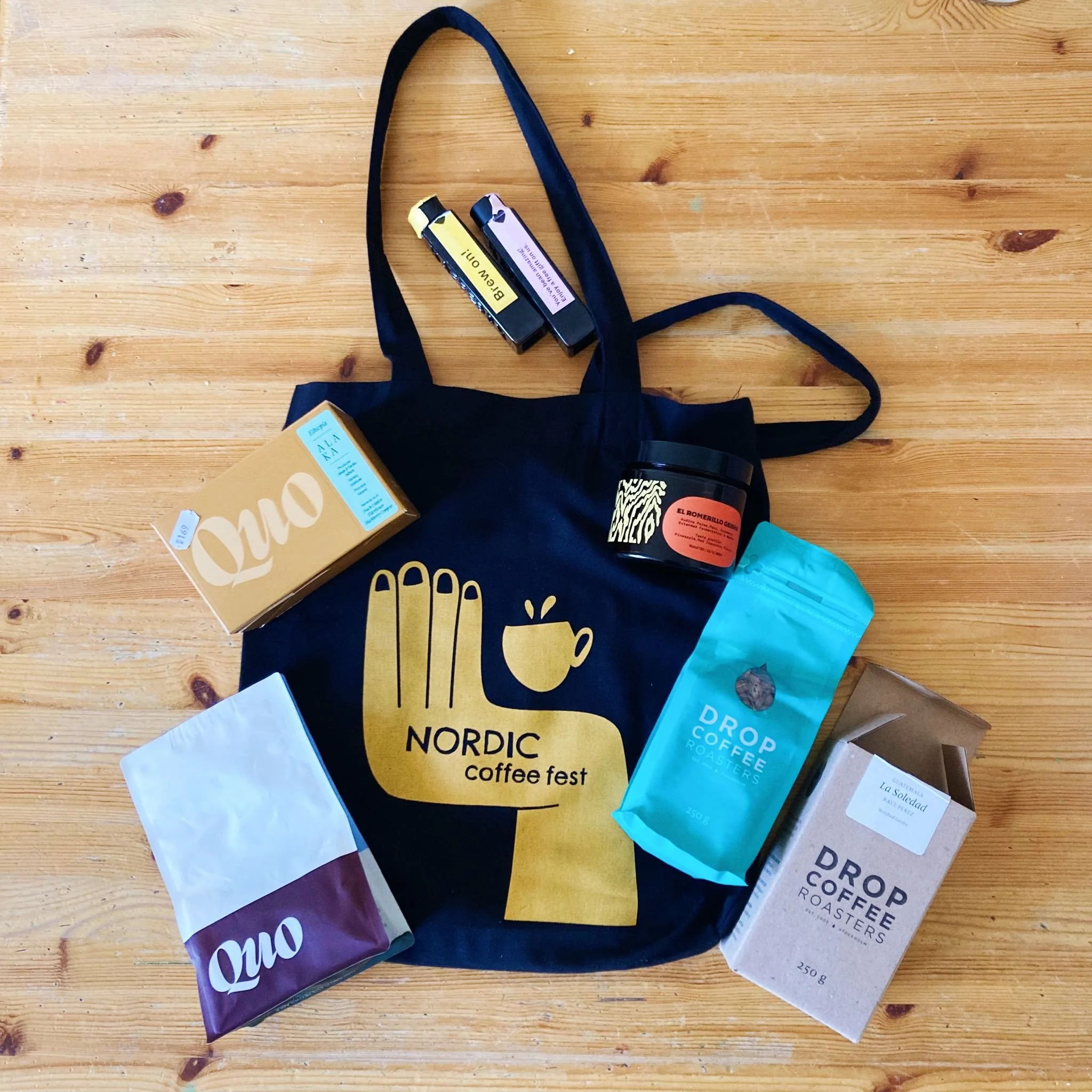
The Nordic Coffee Fest
The Nordic Coffee Fest is one of Scandinavia’s largest speciality coffee events where tastings, education and innovation are showcased across two days in Gothenburg. Our Head Barista and Assistant Manager Rebecca travelled to rainy Gothenburg to see what’s happening on the Swedish coffee scene.
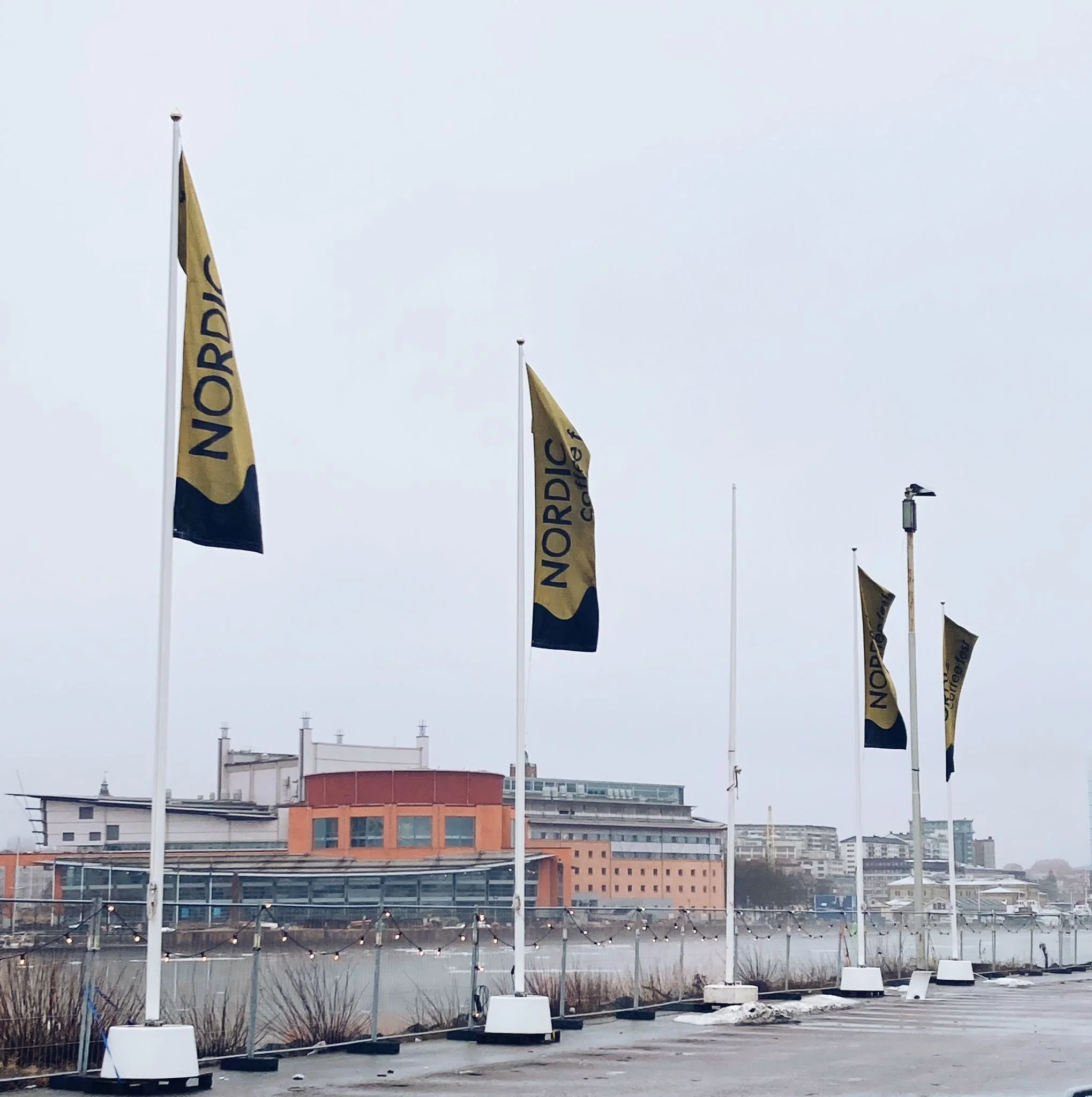
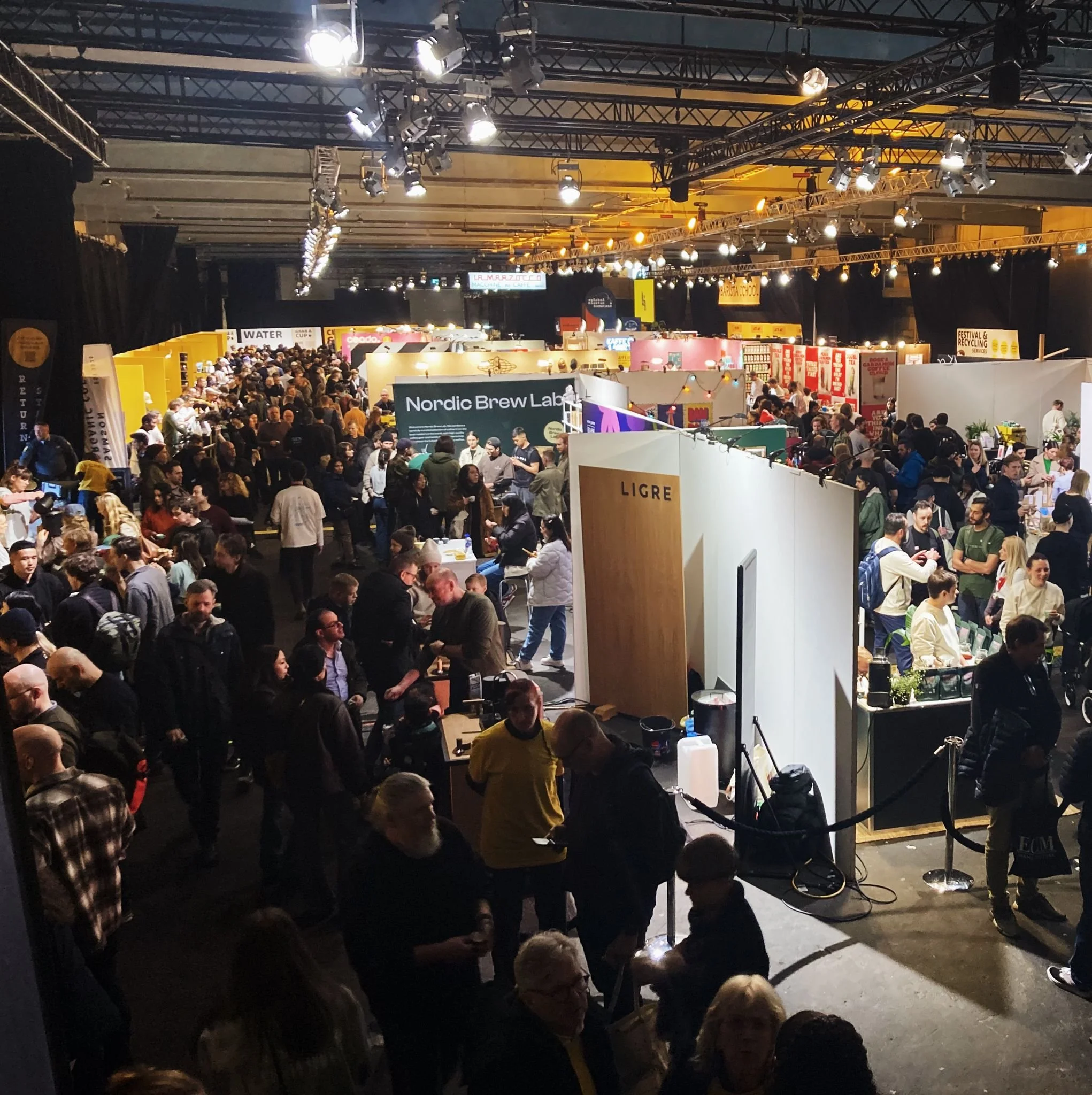
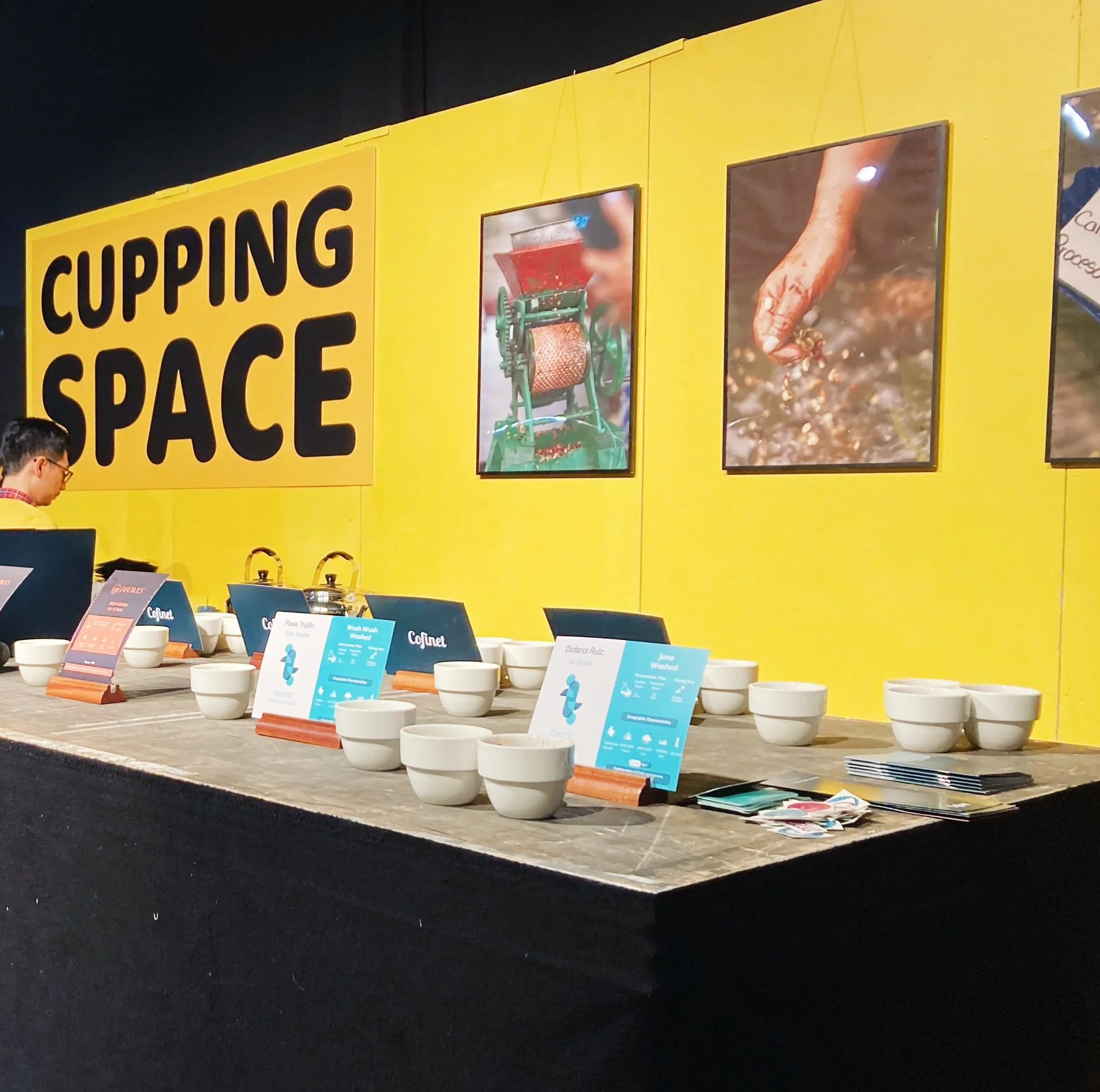
When I arrive in Gothenburg, it is incredibly foggy. Colloquially, Gothenburg is known as ‘Little London’ due to the heavy British influence on the city’s industrialisation and transport links to the UK. Maybe it is also a weather thing because for the four days I spend in the city, we only see the sun once. I’ve always liked Gothenburg, not only because of the British influence but also because they are known nationally for having a very bad sense of pun-based humour. Last time I was here I was 15 and my main focus was the local theme park, Liseberg. This time around I am here for Nordic Coffee Fest, a two-day festival hosted at Bananpiren (transl. The Banana Pier).
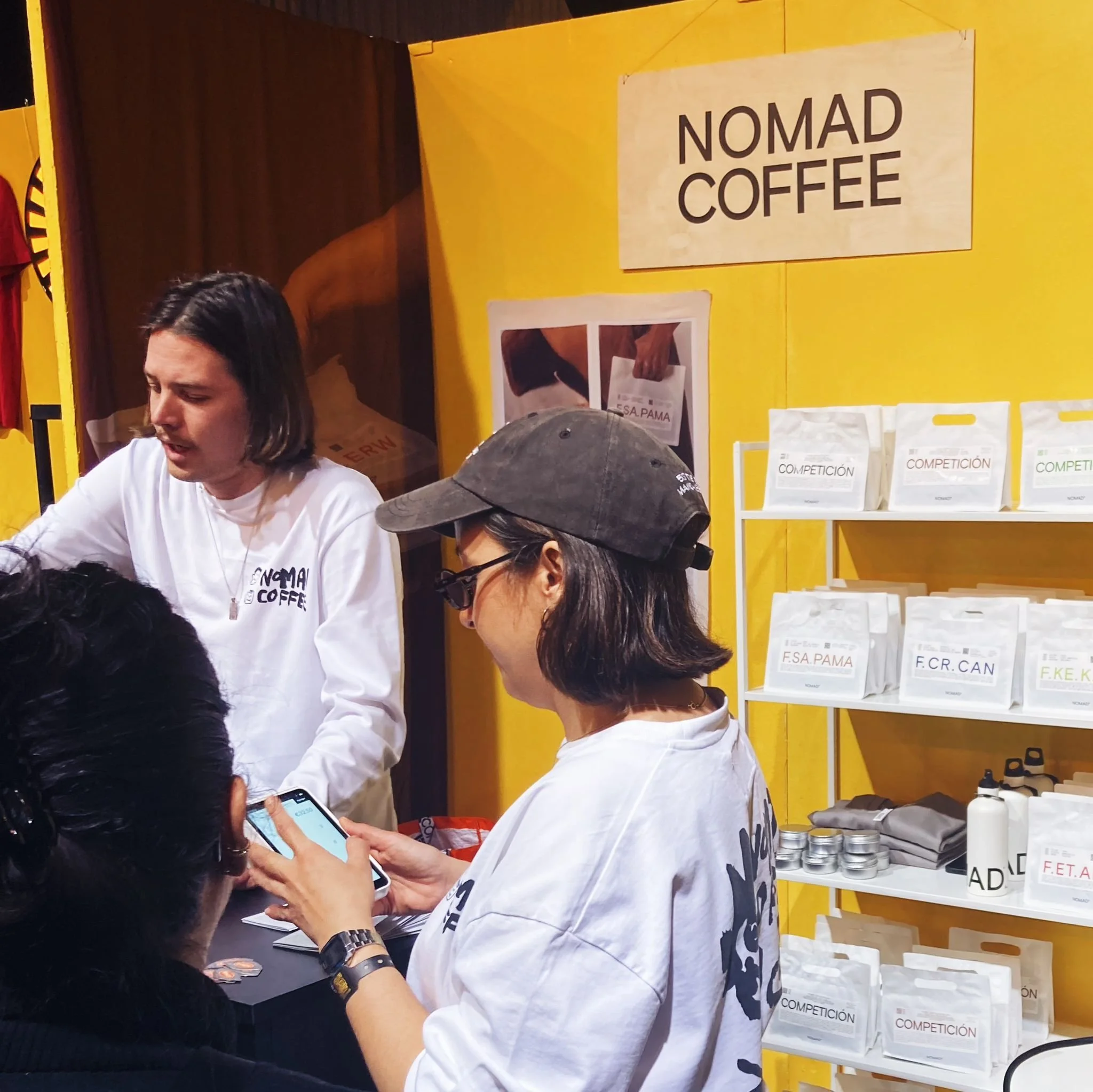
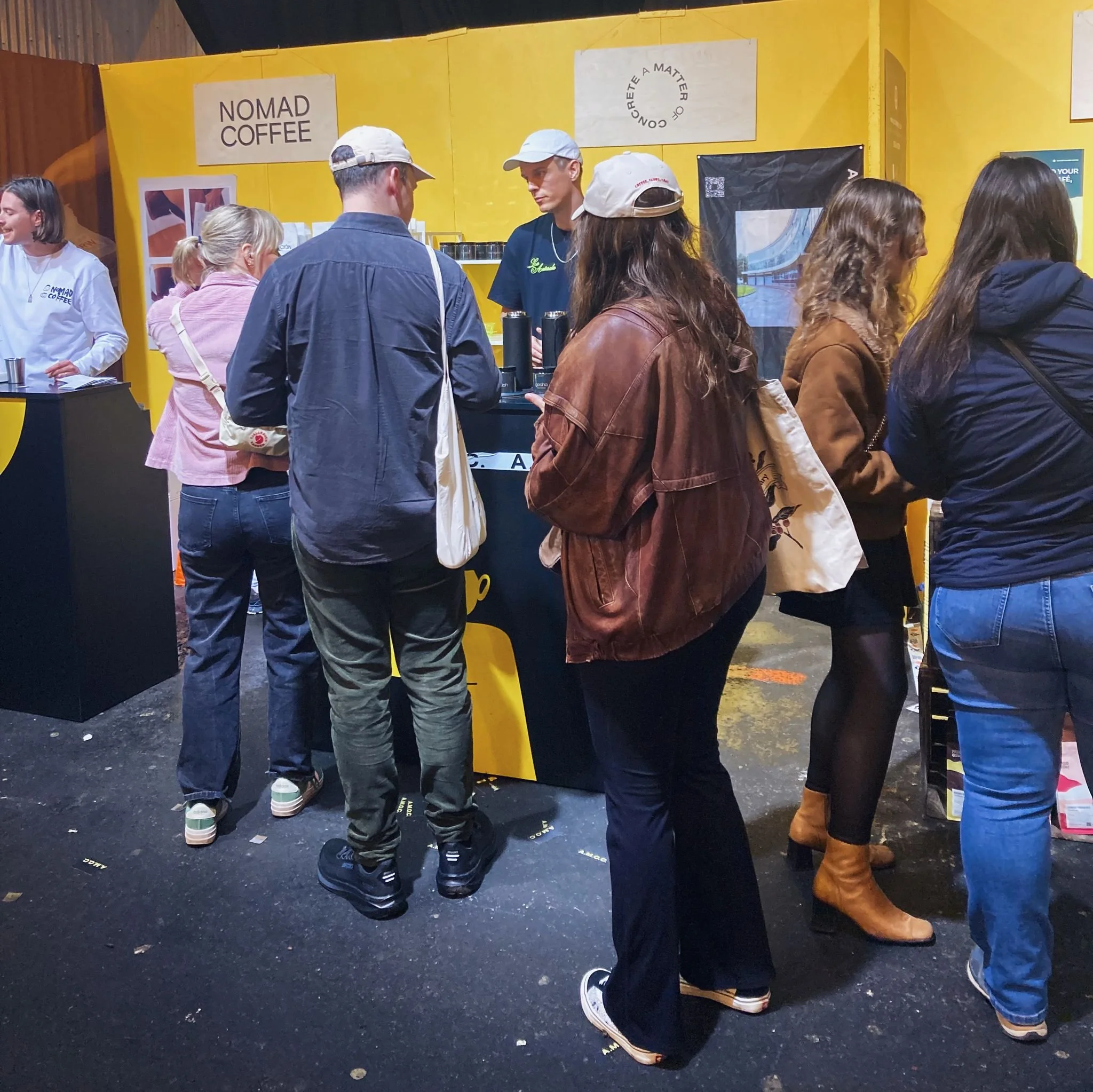
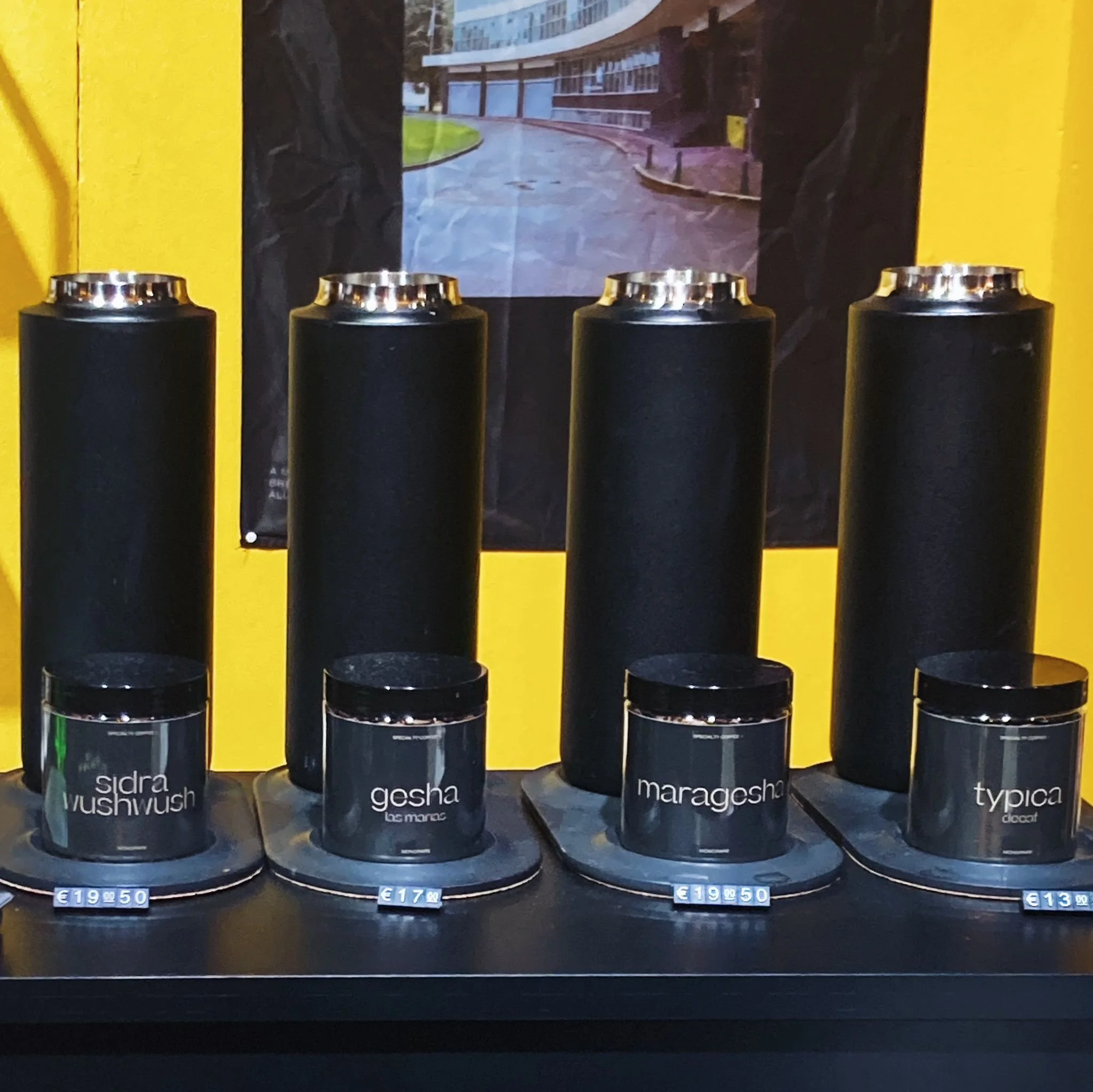
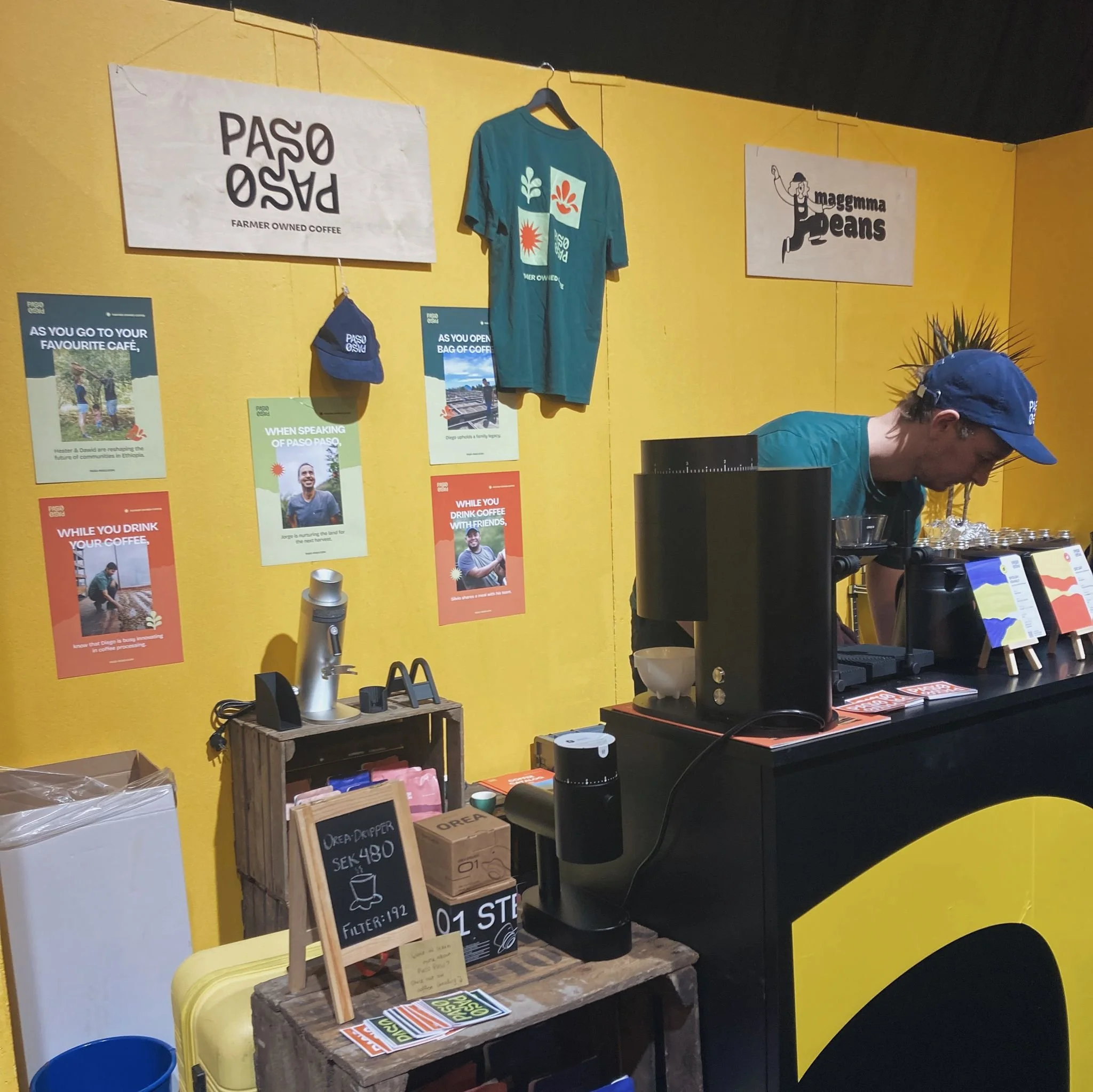
The old industrial space is already heaving when I arrive at 10am. A sweet scent of brewed coffee fills the air and the murmur of hundreds of people talking about coffee. I do a loop of the area to see where to start and decide to go with something familiar. Lined up in the Roaster’s Village are three roasteries that any regular of Velasquez and van Wezel will be familiar with as they have all made several appearances on our shelves and behind bar: Nomad (Barcelona), A.M.O.C (Rotterdam) and Paso Paso (Hannover). I chat to Gosha and Fabia from Nomad first and have arrived at a good time. They are brewing up all three of their Colombian competition coffees. There’s a deliciously sweet and crisp gesha, a bright sidra bourbon but my favourite is the bourbon aji where the initial notes of cocoa butter and lemon verbena evolves into fruity flavours of peach and strawberry. It’s deliciously vibrant and complex. At the A.M.O.C. stand I speak to Rob, the founder, and particularly enjoy sampling the decaf Typica from Huila, Colombia. For being decaffeinated it is incredibly light and silky with notes of peach and milky oolong. At the Paso Paso stand, the founder Bram de Hoog is busy talking to a small crowd of people eager to try his coffees and hear more about the company ethos of farmer owned coffee. I immediately recognise some of the coffees as we have them in stock at the shop back in London and it is nice to try the range in a different setting and brewed by the owner himself.
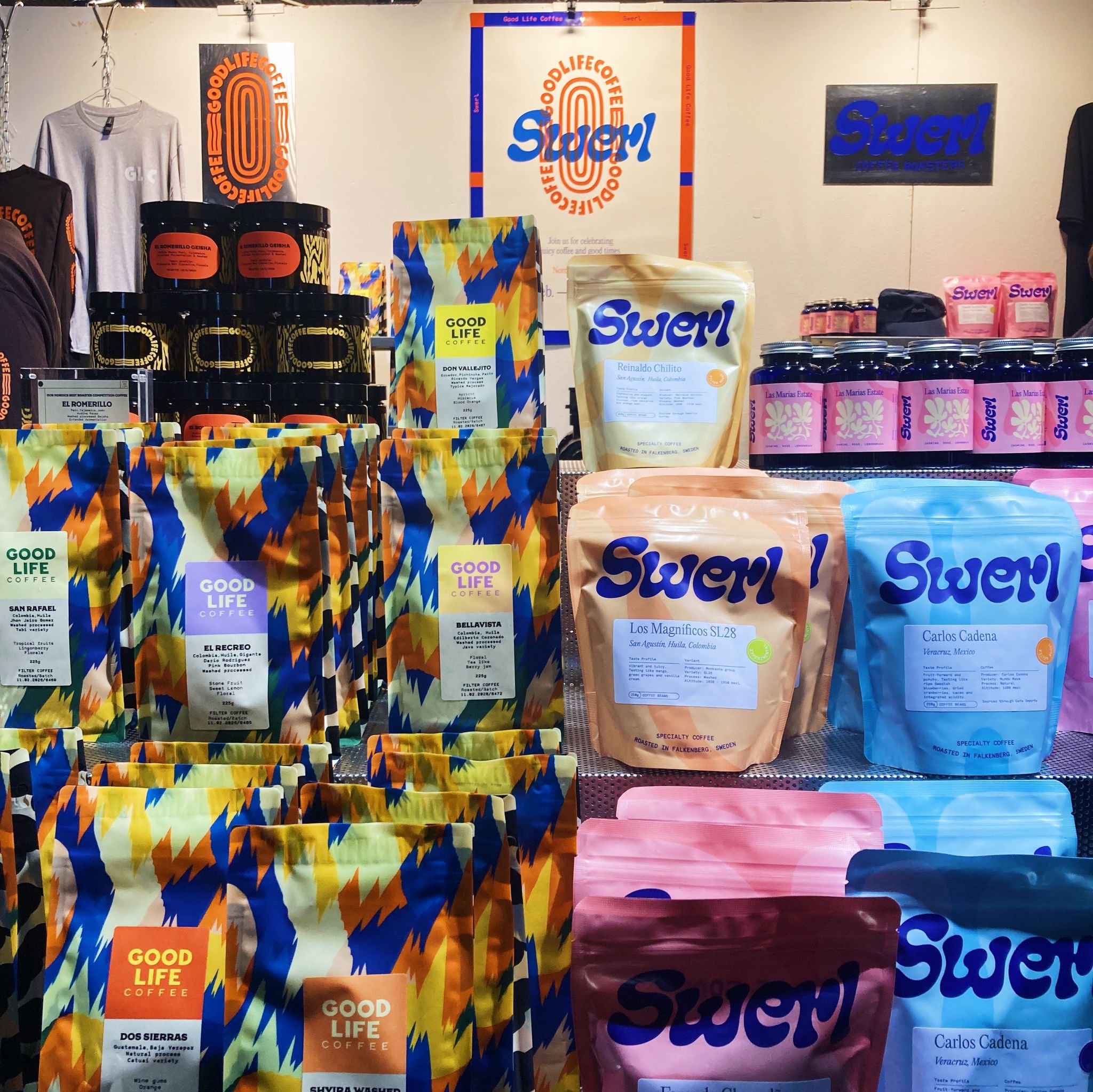
But where are the Scandinavian Roasters? I only have to turn around to find them. One of Sweden’s most popular speciality roasteries, Swerl share a stand with the Helsinki-based Good Life Coffee. Both with a funky, 70s inspired style of packaging, font and merch it is an explosion of colour and flavour. At Swerl I talk to Beatriz and get to try some of the coffees that I have just ordered for the shop. I particularly enjoyed the Mexican natural produced by Carlos Cadena as one of the flavour notes is “Swedish blueberries”. The Swedish blueberries of my childhood grew wild in the cool forests and are full of concentrated flavour and tartness. Swerl describes the Carlos Cadena as having “integrated acidity”, giving rise to the blueberry notes.
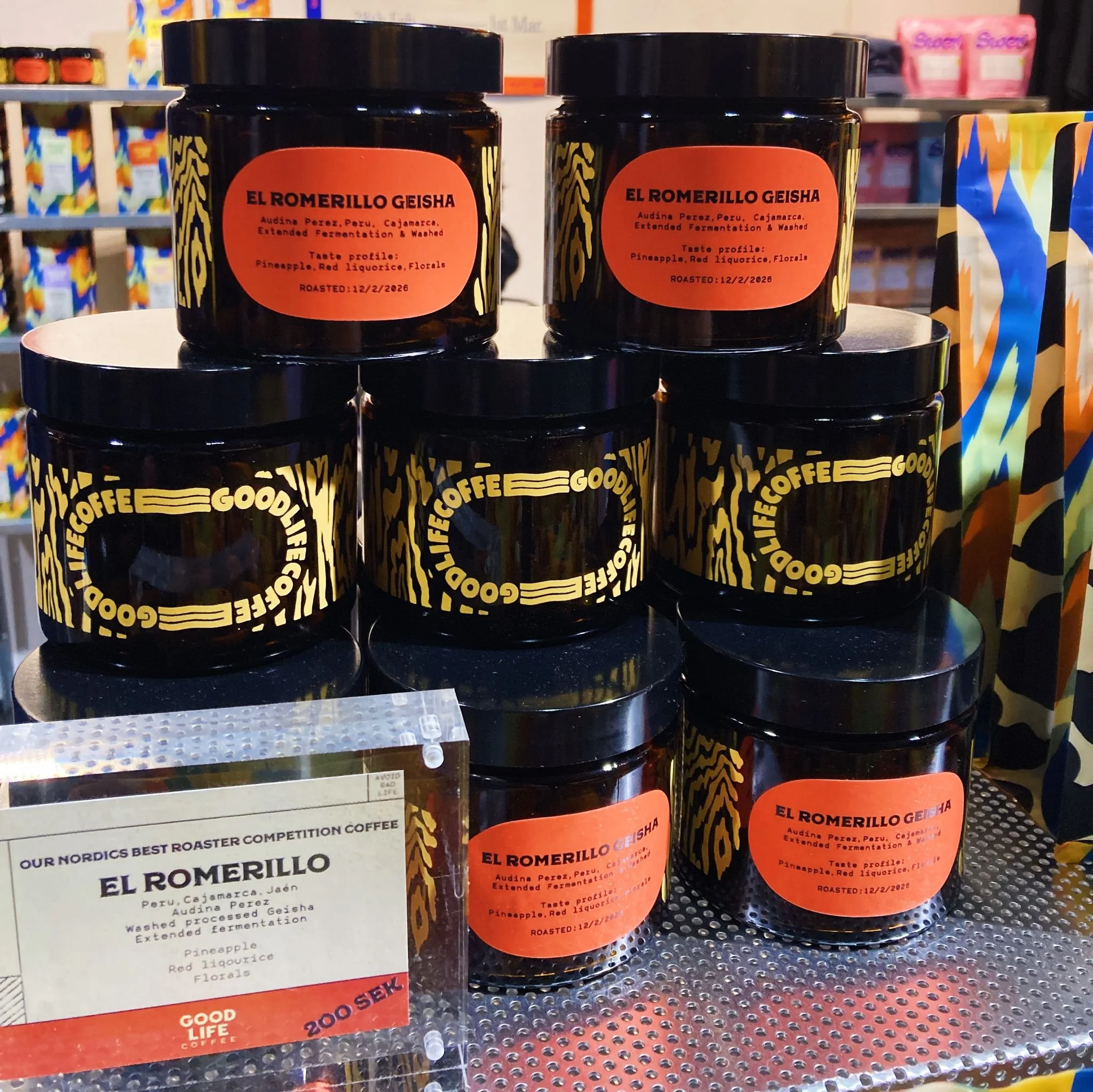
From Good Life Coffee I sample my favourite coffee of the festiva: El Romerillo, a Peruvian Gesha with notes of pineapple and red liquorice with a floral finish. It is their competition coffee for Nordic’s Best Roaster which will be revealed at the end of the festival (Good Life Coffee came second, while Norwegian Kaffa won the title). Impressed with the El Romerillo, I chat to Good Life’s Head Roaster, Richard, for a while and it turns out that he used to live in Crouch End for 13 years before relocating to Helsinki. It is a small world, after all.
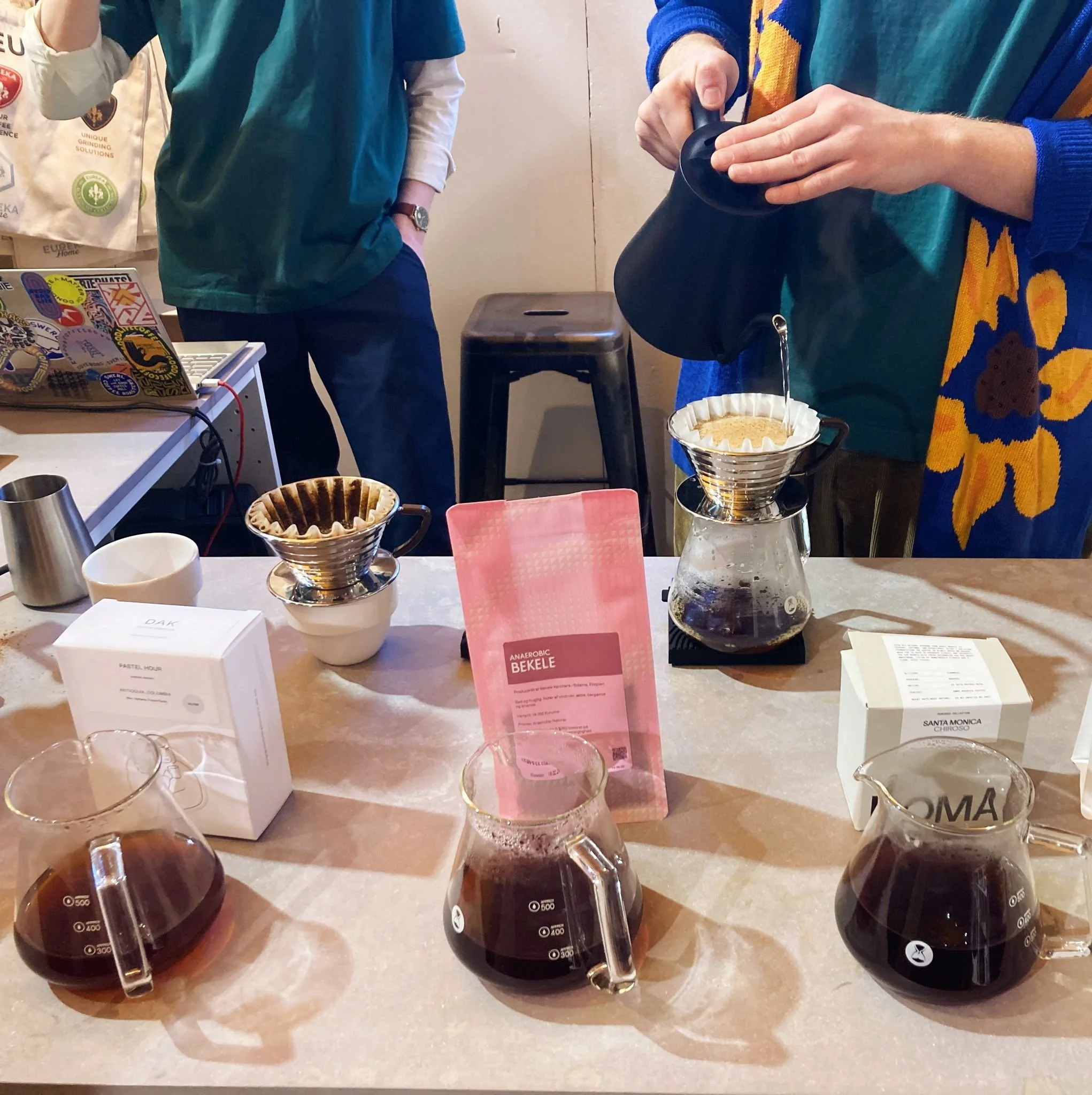
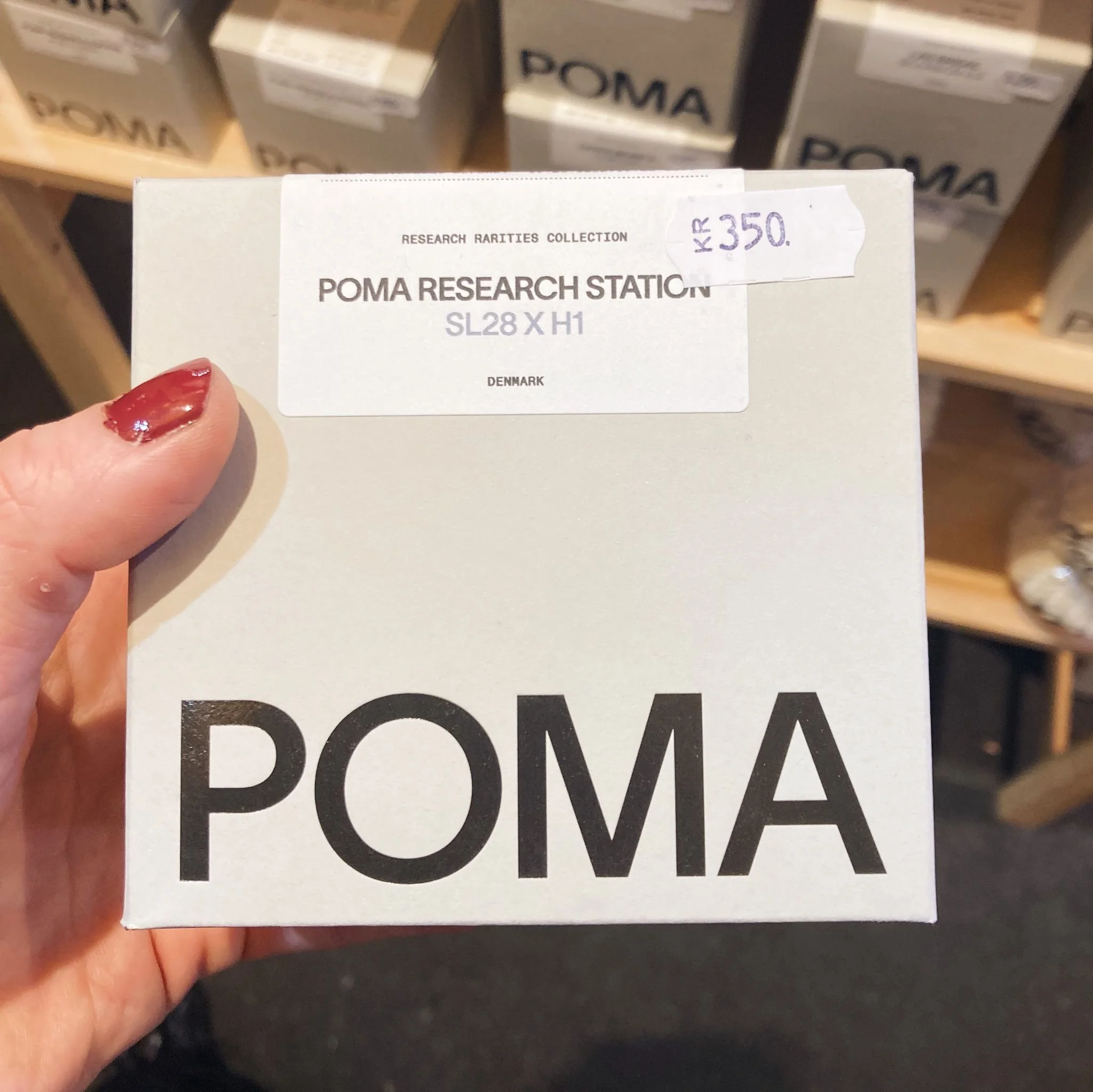
Other Scandinavian roasters I tried during the festival that really stood out were the two Danish, POMA and Coffee Collective, and the Gothenburg based Quo. Brewed by Kaffelabbet, a workshop/equipment retailer/retail bean importer/tiny coffee bar, I get to try all three. While I have heard of Coffee Collective before and enjoy the high quality of beans and roasting, POMA are new to me. Both a roastery and a research lab, they work closely with farmers to implement their research and boost innovation and refinement across the coffee industry. They also run experiments where they grow coffee in Denmark under carefully controlled climate variables. I get to try one of their Denmark-grown coffees, an SL28 that has been pollinated with other varieties to see how it affects flavour as part of their research experiments. The result is a light, clean, cup with high acidity and citrus notes. From Quo I try a Alaka, an Ethiopian Natural Heirloom with notes of peach cobbler, elderflower and blackberry compote. It is everything I like in an Ethiopian coffee: fruity, floral, light and juicy.
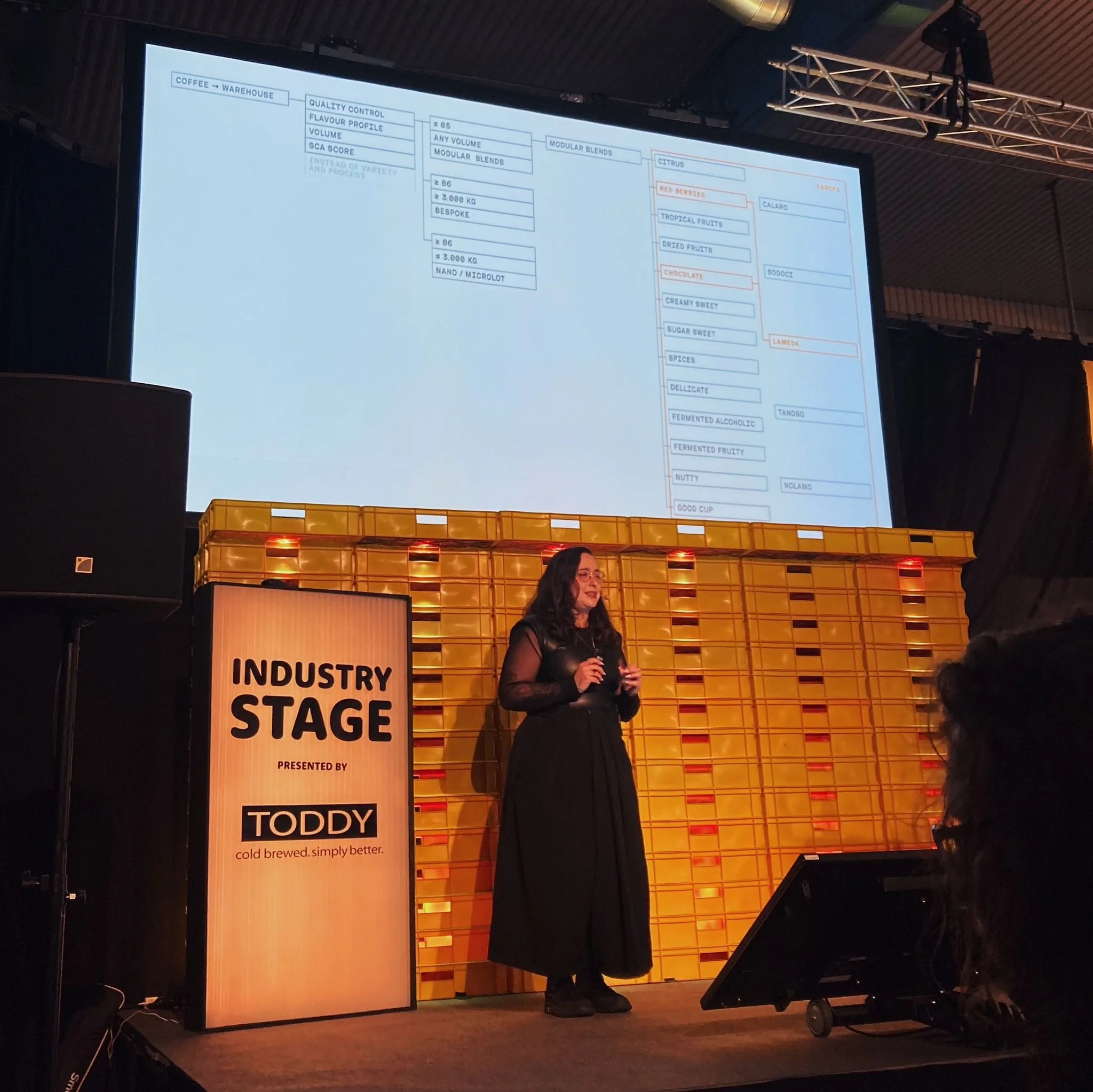
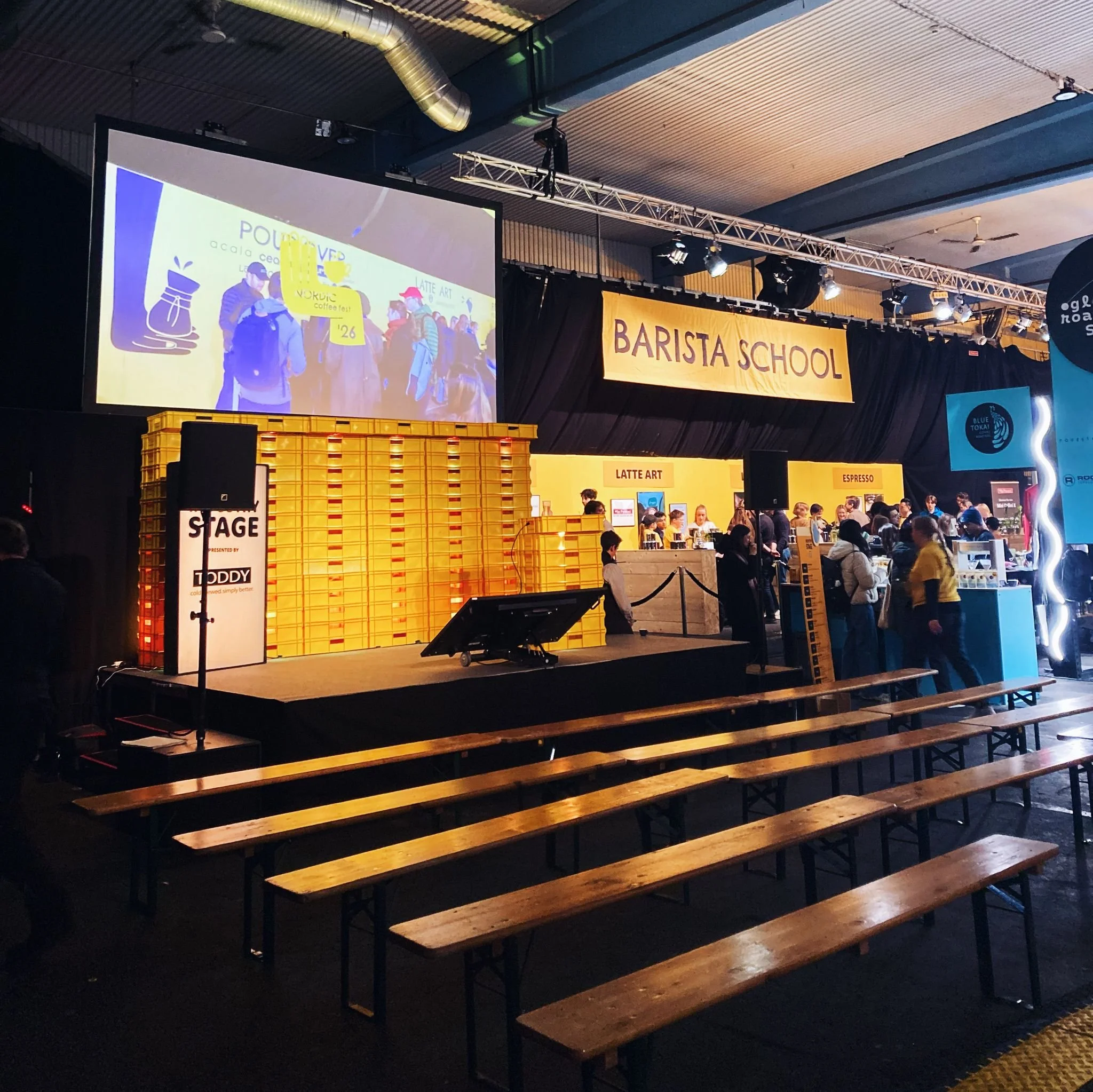
In addition to trying plenty of both delicious and interesting coffees over the course of the festival, I really enjoyed listening to some of the talks, both on the Industry Stage and the Main Stage. Thediversity in speakers who shared perspectives on the coffee industry from every part of the supply chain gave a lot of insight into the coffee industry as a whole and the challenges faced.
Some of the stand out talks were:
Taylor Ritchie from Blue Tokai, India, talking about the rise of speciality coffee in India after the pandemic and the demand for good coffee at home increased
Dublin-based Colin Harmon on how to grow your coffee business
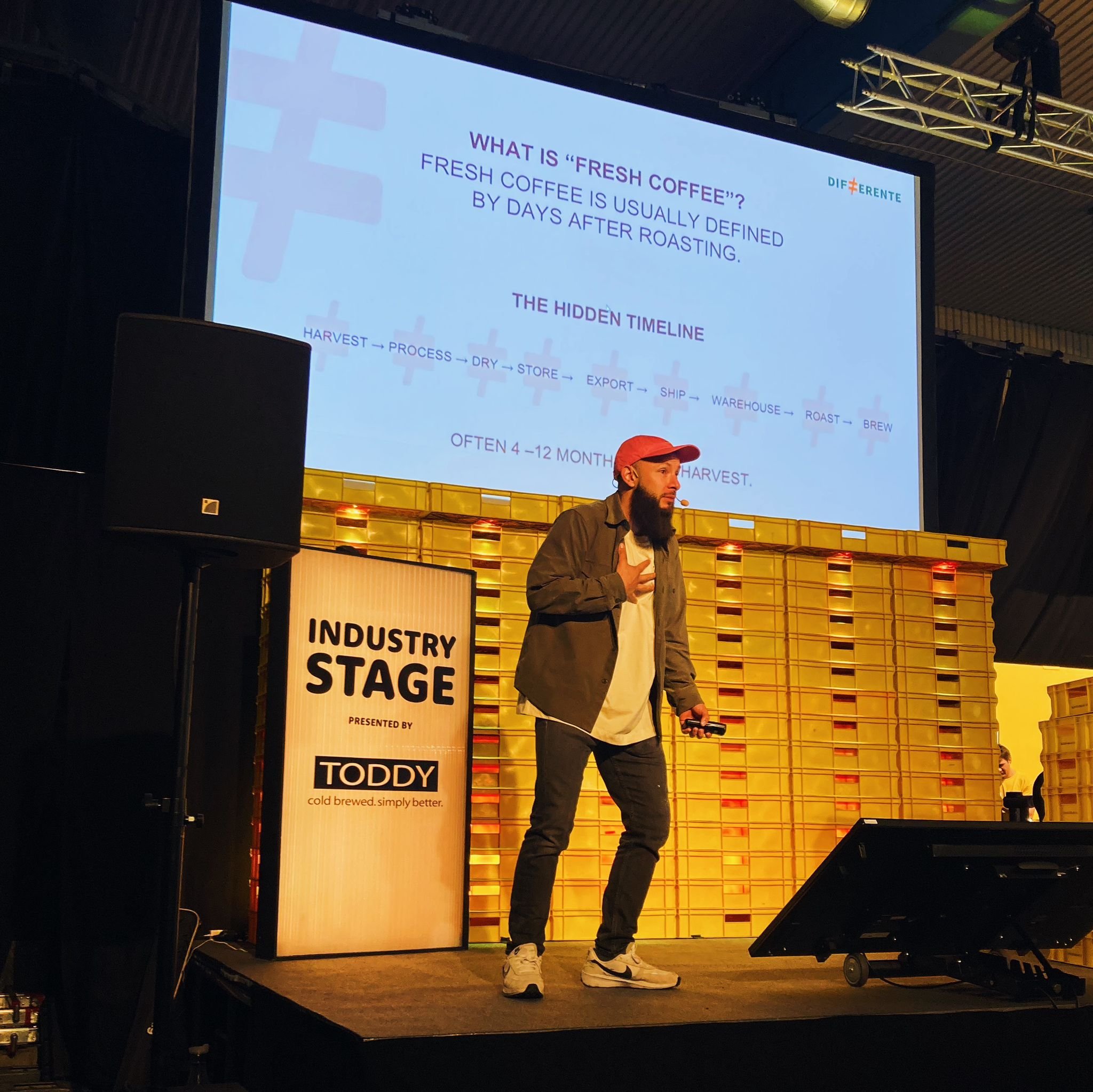
Colombian Carlos Escobar from Differente Coffee who made an argument for why more coffee should be roasted at origin
Ana Luize Pellicer from Mío Fazenda in Brazil on how they have to adapt their production methods as weather becomes more unpredictable due to climate change
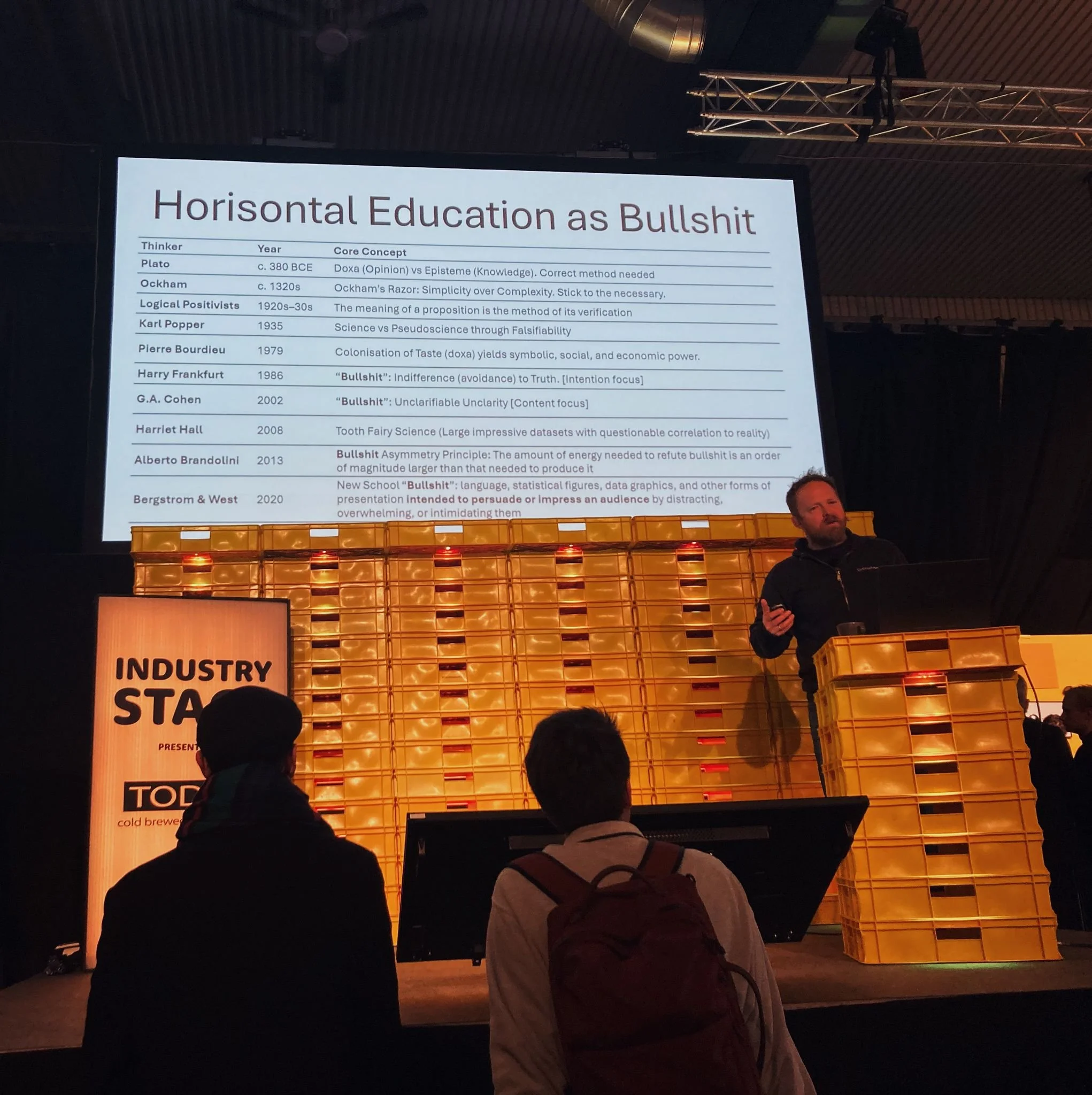
Danish academic Morten Münchow on how the SCA cupping forms lack scientific method and how the way we talk about coffee in terms of its sensory characteristics is often built on perpetuated myth (or bullshit, as he calls it) instead of being backed up by research
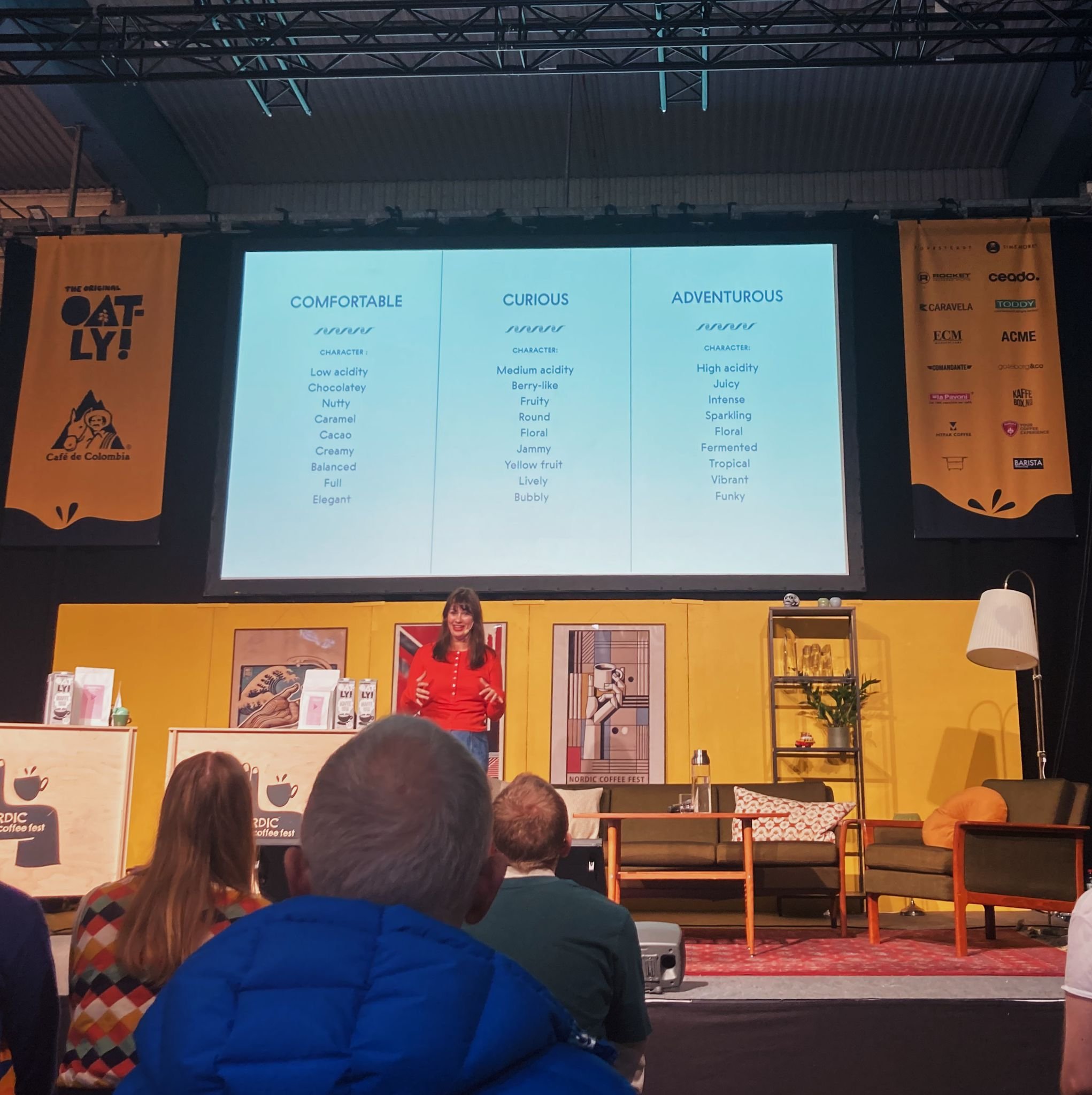
Joanna Leighton Alm from Drop Coffee, Stockholm, giving advice on how to challenge and develop the coffees you drink based on her categorisation of Drop coffees as ‘comfortable’, ‘curious’ or ‘adventurous’ (I also catch Joanna brewing some of Drop’s coffee on the Caedo stand and get to try one of her ‘adventurous’ ones, a washed Kenyan coffee, Kamwangii AA, which we will stock at Velasquez and van Wezel very soon!)
Dutch Hester Syuom Westerveld sharing the story of how she and her Ethiopian husband, Dawit, set up their coffee farm, Bette Buna, the challenges they face and the opportunities it has created
Bram de Hoog from Paso Paso, giving a fully transparent breakdown of the pricing of his coffees from farm to cafe and where money goes along the way as well as making an argument for such transparency and loyalty along the supply chain being crucial when overcoming volatile coffee markets.
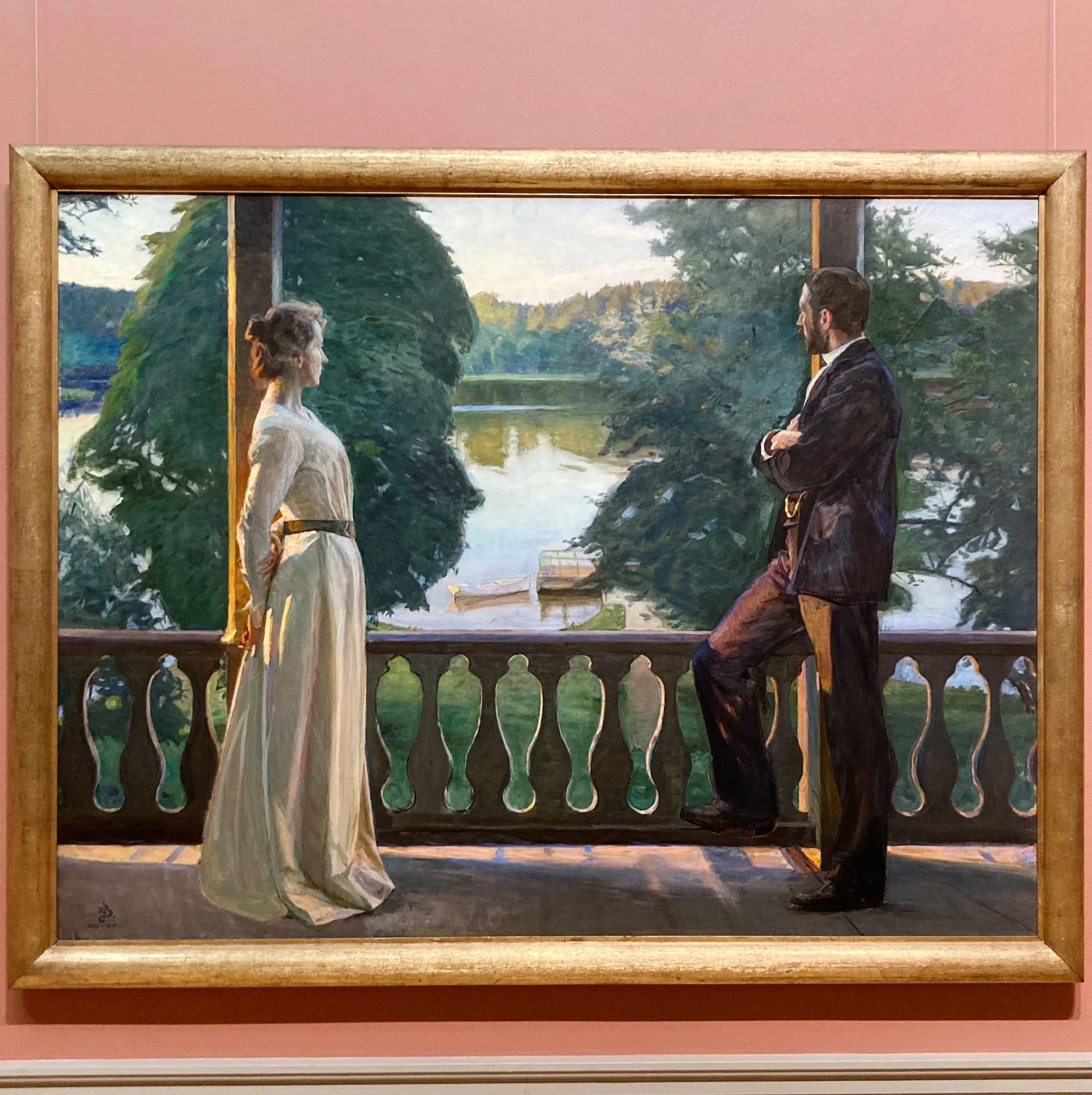
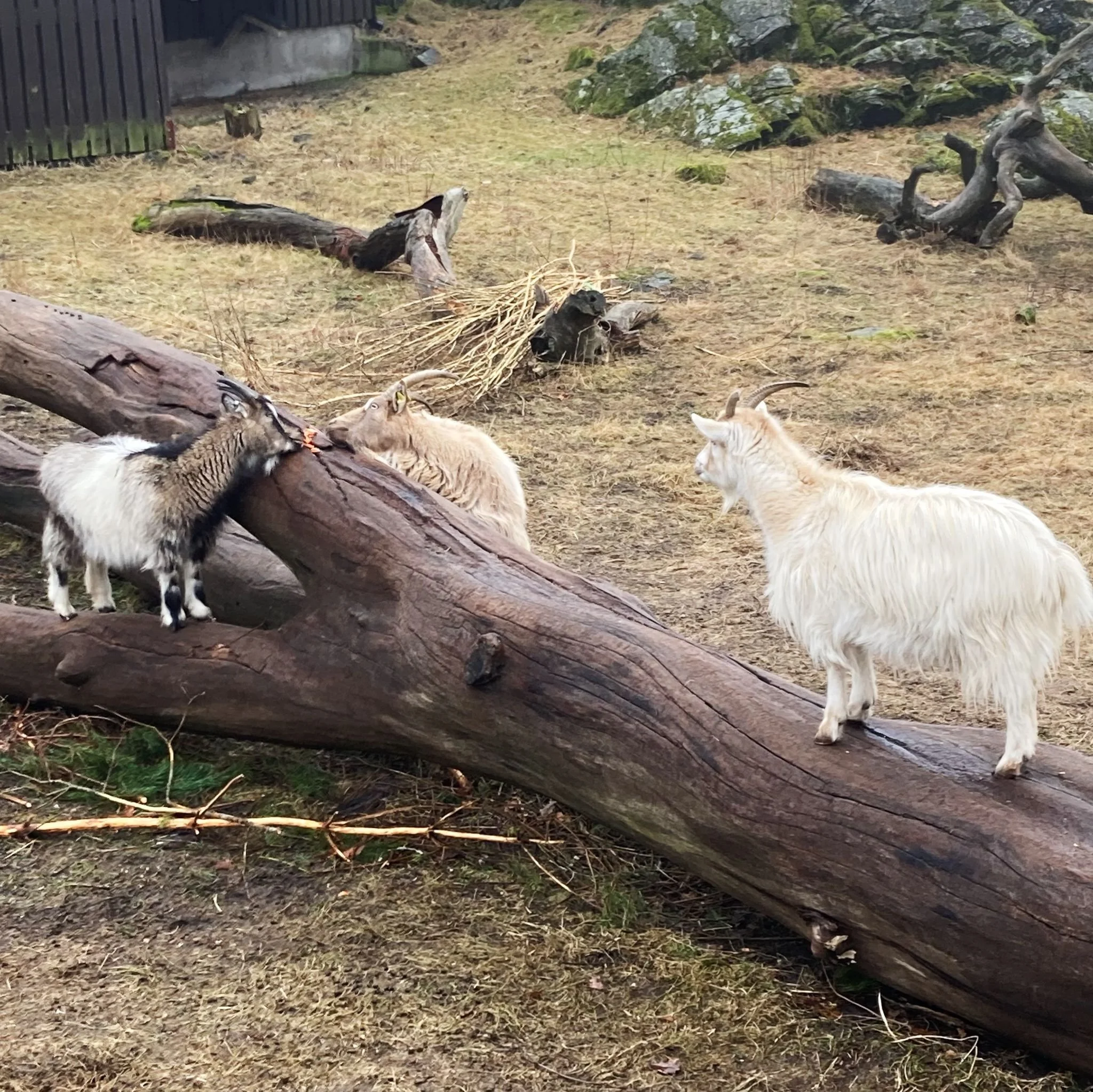
The rest of the time I spent in Gothenburg was a mixture of enjoying good food and wine at the local restaurants, visiting the art museum to see one of my favourite Swedish paintings, Sven Richard Berg’s Nordic Summer Evening, taking the tram to Slottsskogen, a massive park, to enjoy their outdoor zoo as well as browsing the annual book sales.
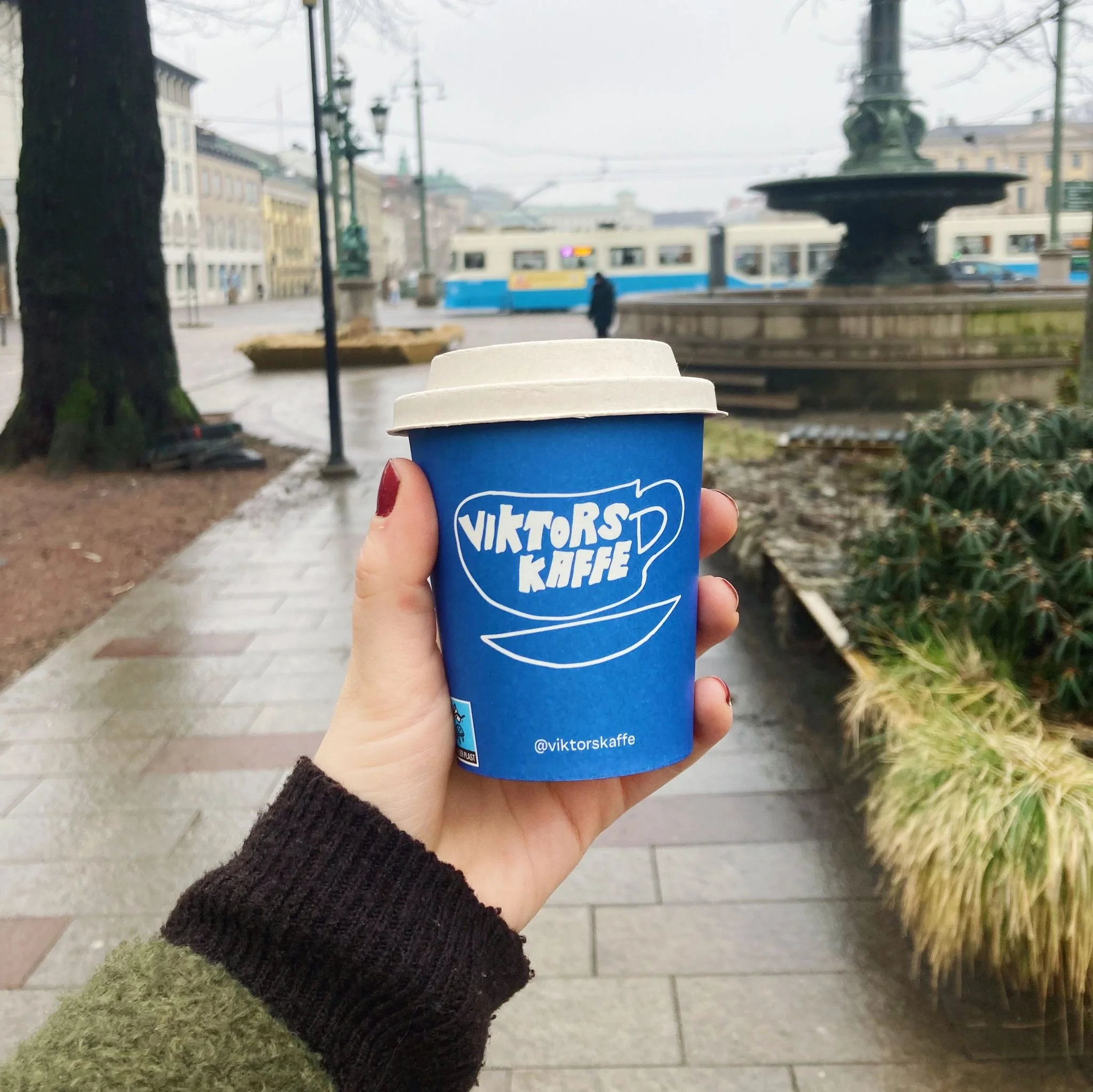
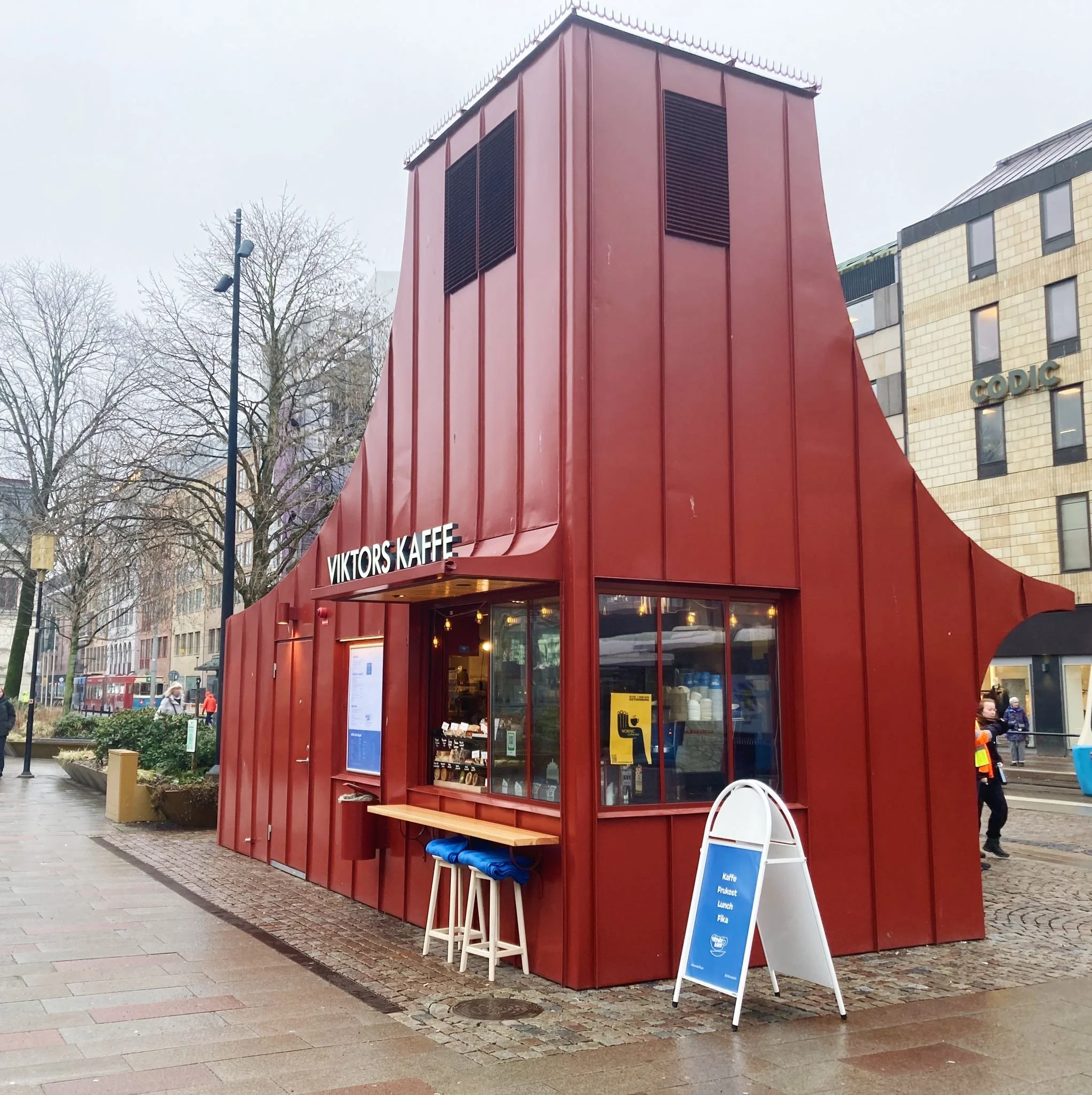
I had limited time to visit other coffee places in the city, many of which were closed on a Monday, but did have time to grab a coffee from Viktors kaffe, a takeaway focused, small cafe in Brunnsparken using Gothenburg-based Morgon Coffee Roasters for their espresso based drinks. While the coffee was ok but nothing spectacular, the architecture of the café was interesting. Inspired by the red, sheet metal roof, so characteristic of Gothenburg, it is an awardwinning piece of architecture built in an attempt to make Brunnsparken a space for community to blossom.
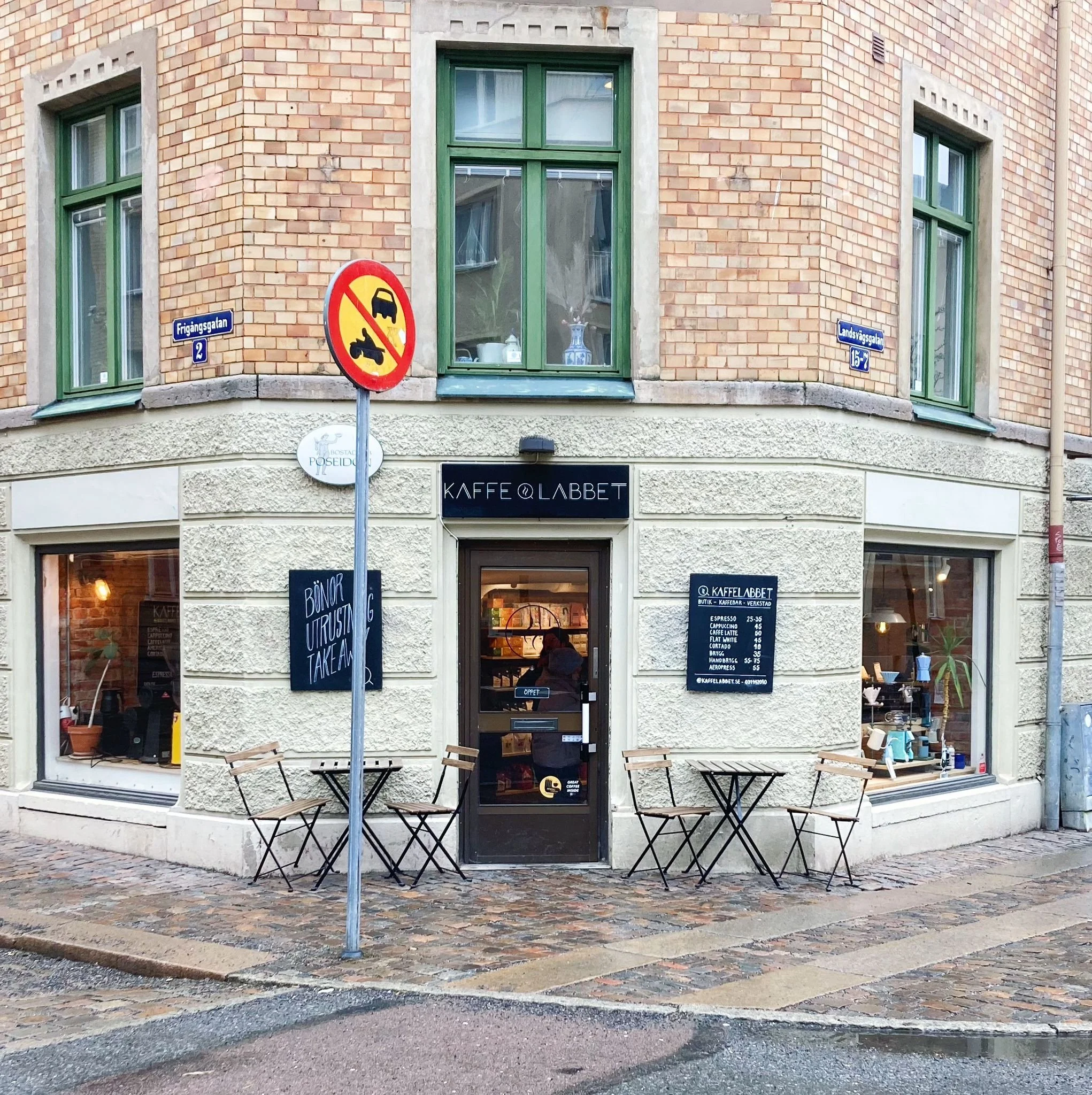
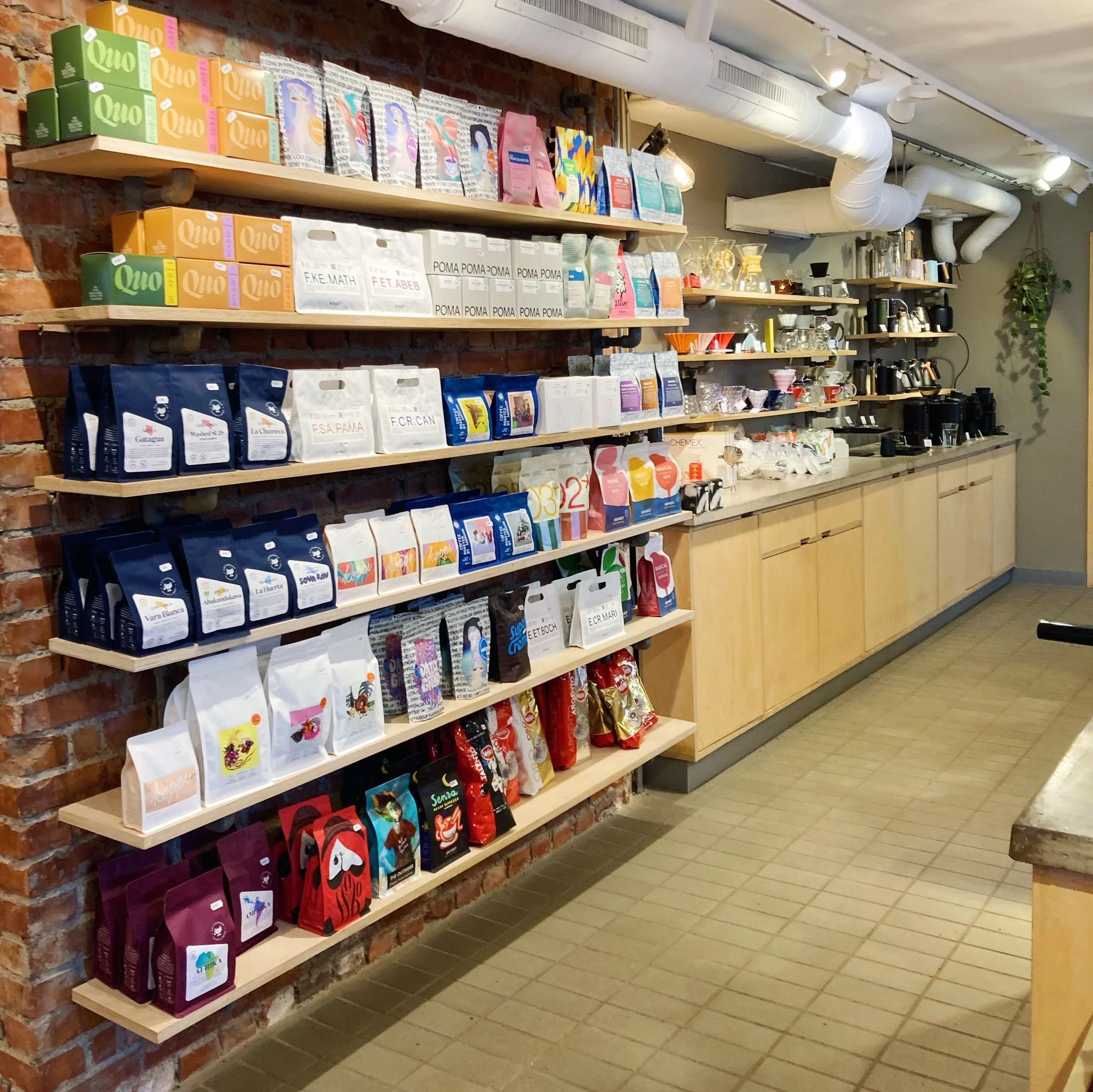
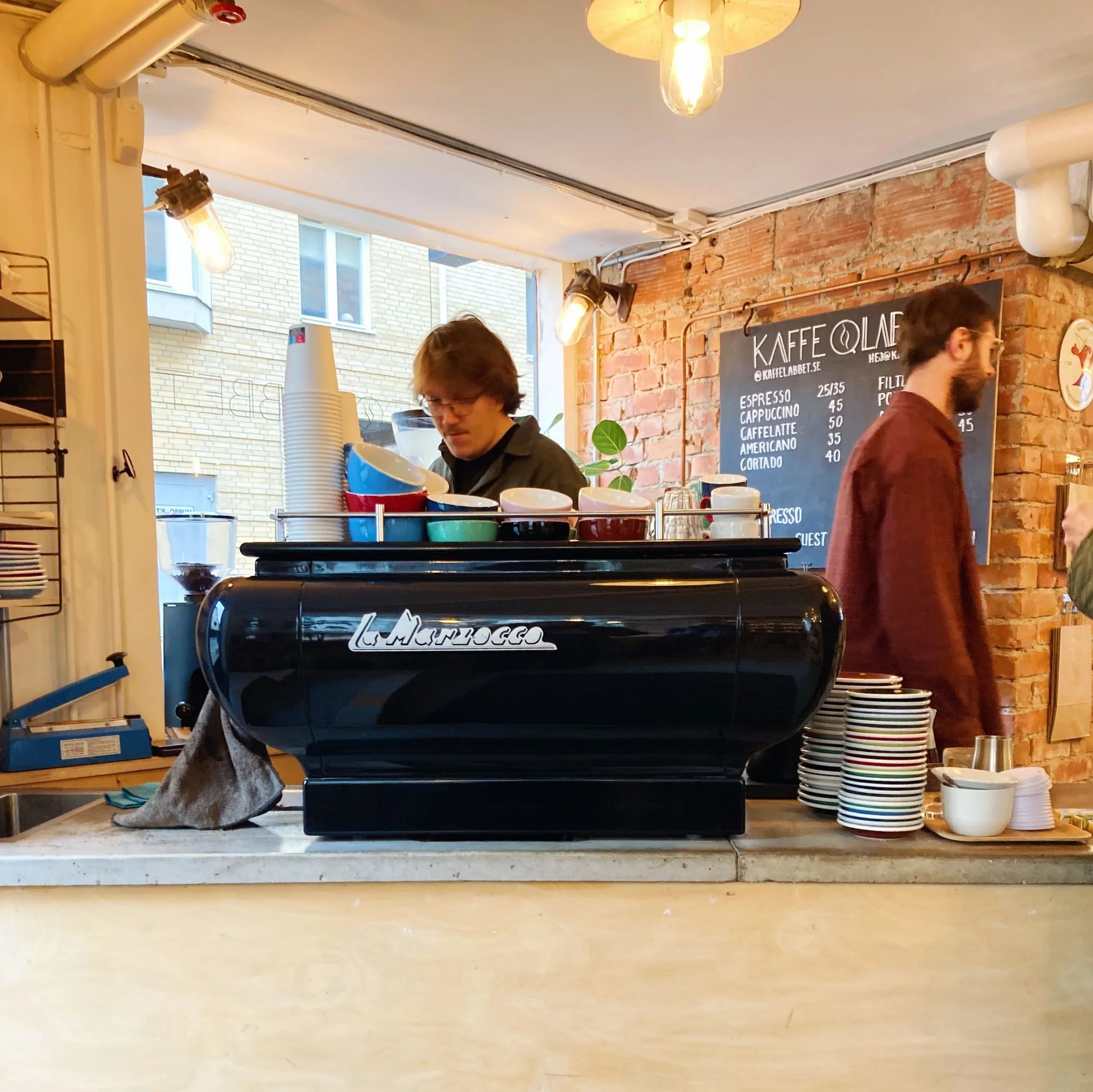
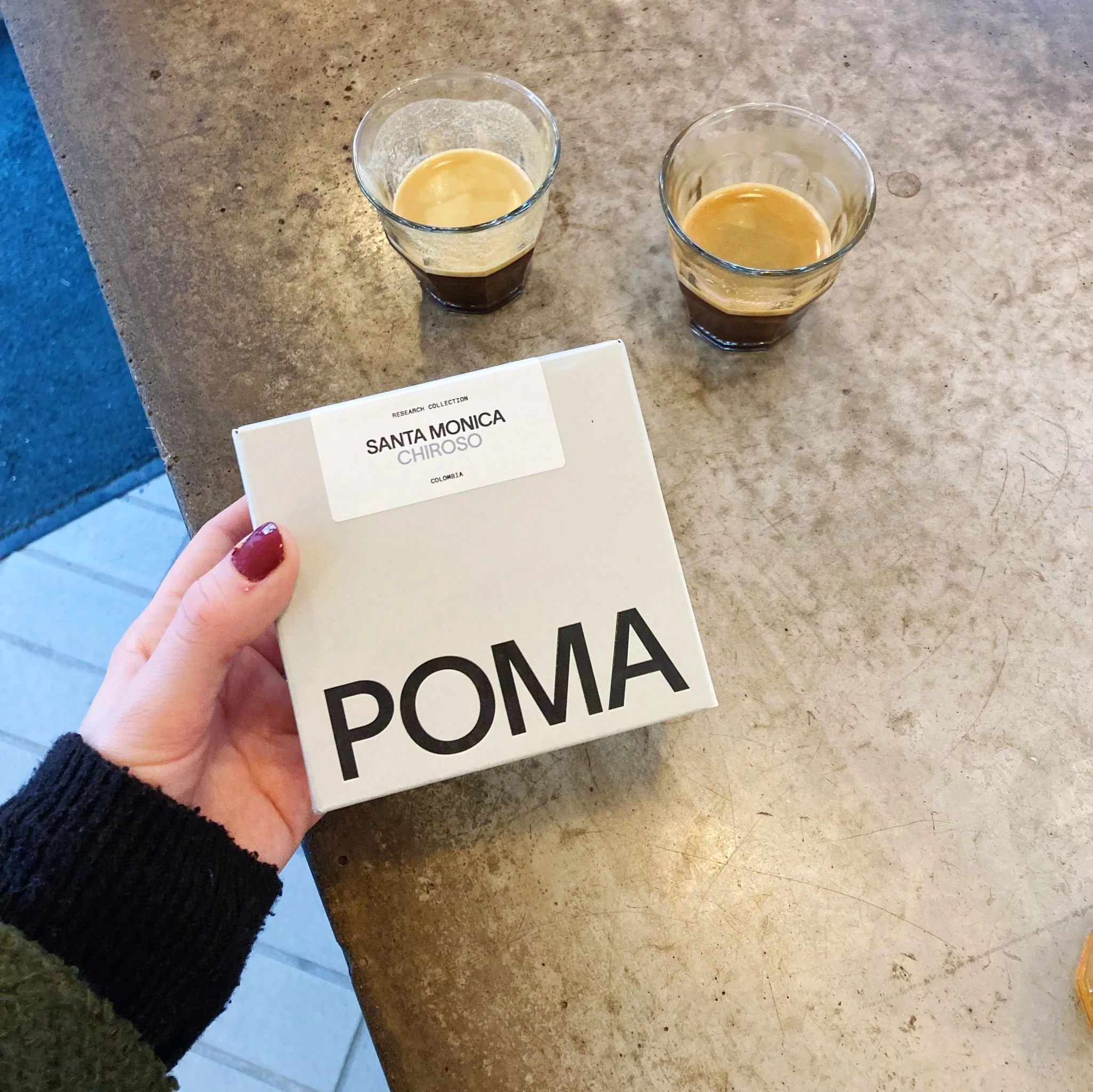
I also had time to visit my newfound friends from Kaffelabbet. Based near Järntorget, a square that connects the central part of the city with the western parts, I was keen to see their space after talking to them at the festival. The space was a nice mixture of all the things that they do. A small coffee bar and till with some limited window seating and some tables outdoors, a workshop space and plenty of equipment and beans for sale. It was nice to see some familiar beans, such as DAK and Nomad, as wall as to explore the Scandinavian offering. In the end I bought some of the Ethiopian coffee from Quo I had tried the day before. While chatting to Isak and Henrik, they ask me if I want to be their guinea pig when dialling in a new guest espresso and of course I say yes! They have some of POMA’s Natural Chiroso from Colombia left from the festival and decide to play around with it. While the first shot is a bit underextracted, the second one I am given hits the spot. It is a light, sweet and bright espresso that tastes like grape soda!
Overall, my experience of Nordic Coffee Fest and the Gothenburg/Scandinavian coffee scene was fun and fruitful. To get an opportunity to engage with ideas and issues within the coffee industry at large was a reminder of how we must never forget how global the coffee industry is. It is incredibly important to think of the wider picture when it comes to coffee production and value each and every person working along the supply chain, from farm workers and producers to your local roasteries and baristas. In times of volatility in the world, weather that be climate, politics or economics, collaboration and understanding becomes important to be able to adapt to challenges that, in one way or another, will affect us all. Addressing these challenges of course adds a serious backdrop to the festival but also highlights that it is something very important: how much the people who work in coffee care about both ethos and quality. The way to make things happen is by coming together and sharing thoughts. And when coming together, it is also obvious how passionate people are about what they do. The amount of passion for creating coffee of the very top quality and sharing innovation was palpable. I leave Gothenburg feeling inspired and full of beans, both literally and metaphorically!